
Why Companies Should Transition Away from Maintaining Reporting in Excel
In the world of business, effective reporting is essential for informed decision-making. For decades, Microsoft Excel has been the go-to tool for a wide range of reporting activities. However, as organisations scale and the complexity of data increases, relying on Excel for reporting can often lead to more problems than solutions. Here are several compelling reasons why companies should move away from maintaining reporting in Excel.
-
Data Integrity and Accuracy
Excel is prone to human error. Miskeyed numbers, formula mistakes, and accidental deletions can lead to inaccurate reports. These errors can have significant repercussions, influencing key business decisions based on flawed data. As data grows in volume and complexity, maintaining accuracy manually becomes increasingly challenging. Advanced reporting tools provide built-in safeguards to ensure data integrity, significantly reducing the risk of mistakes.
-
Collaboration Challenges
Excel files are often shared via email, leading to version control issues. When multiple users are making changes to different versions of the same file, it’s easy to lose track of the most up-to-date information. This can create confusion and delays in decision-making. Modern reporting solutions are designed for real-time collaboration, allowing teams to work together seamlessly, ensuring everyone has access to the latest data and insights.
-
Scalability Limitations
As your organisation grows, so does the volume of data you need to process. Excel can quickly become cumbersome with large datasets, leading to performance issues and slower processing times. Dedicated reporting tools are built to handle large volumes of data efficiently, enabling companies to scale their reporting processes without sacrificing speed or performance.
-
Dynamic Reporting Capabilities
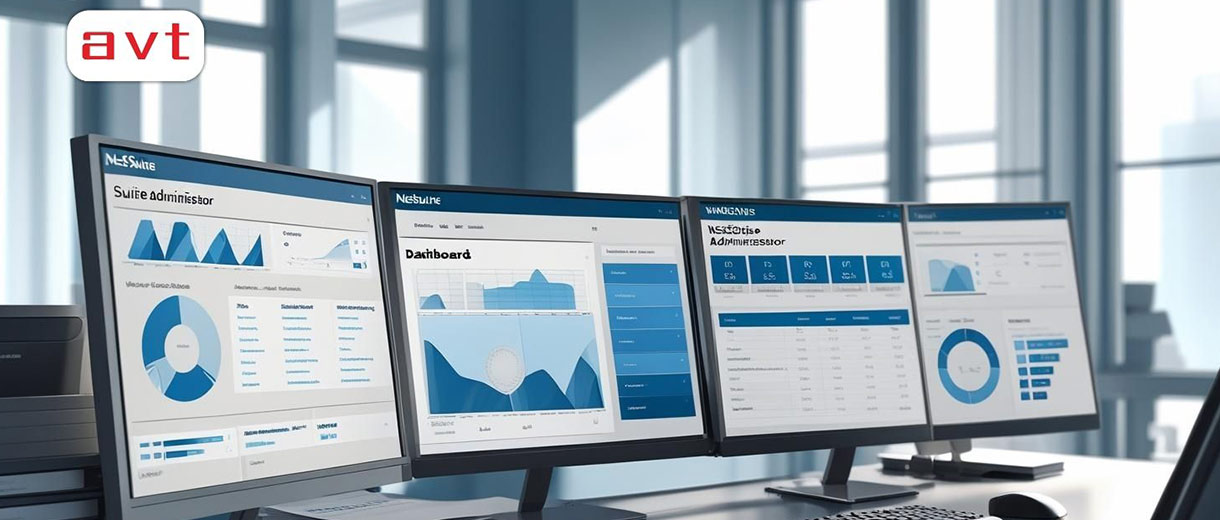
Excel is primarily a static reporting tool. While you can create charts and graphs, dynamic dashboards that update in real time require significant manual input. In contrast, modern business intelligence tools offer interactive dashboards that provide real-time insights at a glance. This capability allows decision-makers to spot trends, track KPIs, and analyze data dynamically, leading to faster and more informed decision-making.
-
Inadequate Data Visualisation
Data visualisation is crucial for understanding complex data sets. Excel offers basic charting and graphing capabilities, but often lacks the advanced visualisation options that specialised reporting software provides. Tools designed for data analysis come with powerful visual representation features that can transform data into compelling visuals, making it easier to communicate insights to stakeholders.
-
Time Consumption
Generating reports in Excel can be time-consuming, particularly when dealing with complex formulas, data manipulation, and formatting. Non-automated processes not only waste valuable time but also detract from teams’ core responsibilities. Automated reporting solutions can dramatically reduce the time taken to compile reports, freeing up employees to focus on strategic initiatives rather than manual data entry and formatting.
-
Integration Challenges
In our increasingly digital world, the ability to integrate data from various sources is vital. Excel has limited integration capabilities, making it difficult to aggregate data from multiple platforms effectively. Dedicated reporting tools are built to seamlessly integrate with various systems, such as CRM platforms, accounting software, and marketing tools, providing a more cohesive view of business performance.
-
Compliance and Security Issues
Companies must ensure compliance with various regulations regarding data handling and reporting. Excel files can be difficult to secure, and sharing sensitive data via email increases the risk of breaches. Advanced reporting solutions often come with robust security features, including user access controls and encryption, helping businesses maintain compliance and protect sensitive information.
Conclusion
While Excel played a significant role in the development of data reporting and analysis, businesses today face challenges that demand more robust, scalable, and secure solutions. Transitioning away from Excel for reporting is not just a matter of keeping up with technology; it’s about ensuring accuracy, enhancing collaboration, improving efficiency, and making informed decisions that drive success in today’s competitive marketplace. Embracing modern reporting tools can empower organisations to harness their data effectively and achieve their strategic goals with confidence.
To register your interest in understanding more robust, scalable and secure reporting alternatives to MS Excel please visit AVT – Absolute Vision Technologies (Oracle NetSuite VAR, Partner & SI) and register your interest at Oracle NetSuite Evaluation Discovery.
Please also consider book-marking the NetSuite Support Services – your go-to resource to submit support tickets and access knowledge base articles. The NetSuite Support Services also contains a direct link to NetSuite’s system status page.
Need more info?
Find out more at the NetSuite Blog page
New to NetSuite?
Oracle NetSuite ERP System – The #1 Cloud Business Management System
The only ERP you’ll ever need
Oracle NetSuite ERP is a cloud based business platform that provides your business with complete end to end solution and integrated reporting to run your organisation in a streamlined way. With over 32K customers globally, your business can easily deploy and roll out streamlined processes, prebuilt Dashboards, Reports, KPI that can help overcome reporting and operational challenges you are facing today and align your business to meet future needs. Using the APIs, you can easily integrate your ERP data with 3rd Party systems and reduce your data entry administration.
To learn more, AVT – Australia’s Leading NetSuite Solution Provider & Partner has created a complimentary NetSuite ERP Evaluation micro-site to help executives learn more about ERP and its deployment, using pre-recorded process demo videos, White papers and data sheets, so you may evaluate this at your own pace. You can gain access to to the site by completing your Registration in the link: NetSuite Overview Demos.
ERP Resources
One System For Your Entire Company

Evaluate
NetSuite ERP
NetSuite ERP
AVT makes your ERP evaluation easier. Using our NetSuite Evaluation workbook, Questionnaires, IT Roadmapping and ROI Analysis tools your organisation can easily develop a business case for an ERP upgrade project.


NetSuite ERP
Implementation
Implementation
AVT uses its proven implementation methodology to implement solutions. The approach can be tailored to suit the exact requirements of each client, and is documented and agreed by all parties at the project initiation.